 Dq208U3ELWo7
Beer production does not end when the liquid leaves the mash tun. Every brew creates a substantial stream of spent grain, the malt material left after sugars have been extracted. Japanese brewer Yoho Brewing is drawing attention to that overlooked side of production with a trial that turns spent malt into dog biscuits, a practical example of how breweries can look beyond the glass when considering waste and resource use.
What spent malt can offer
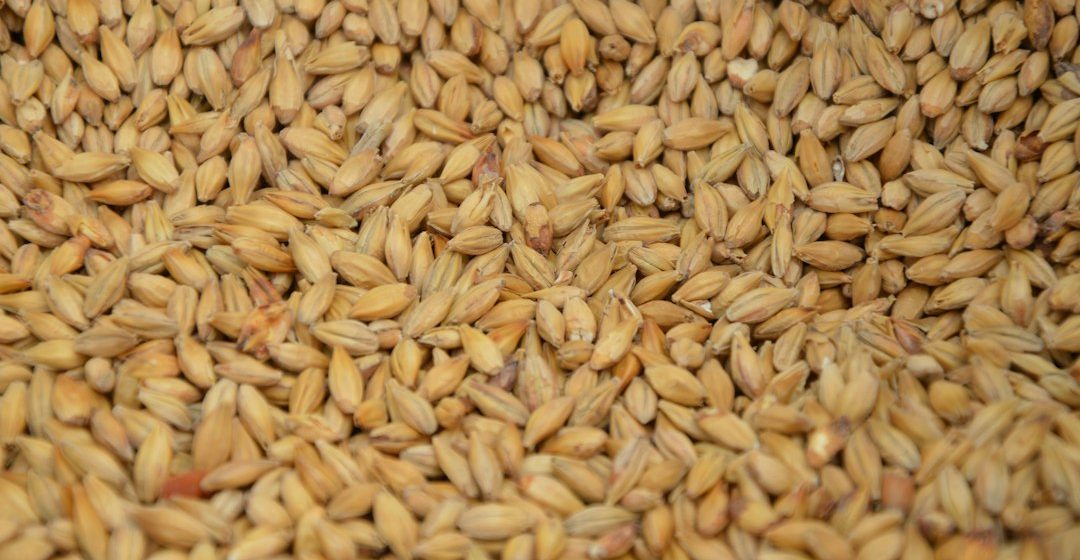
Spent grain is not simply useless residue. It contains fibre and other components that remain after the mash has supplied fermentable sugars to the wort. Because it is produced in large quantities and can spoil if it is not handled promptly, breweries have traditionally needed reliable outlets for it. Some operations send it to farms for animal feed or use it in other food and agricultural applications.
Yoho’s reported trial explores a more consumer-facing route: processing the material into dog biscuits. The idea connects a familiar brewing by-product with a product that can be understood easily by customers. It also gives the brewery a way to demonstrate that resource efficiency can be part of its identity, rather than a statement confined to a sustainability page.
Why upcycling is not as simple as it sounds
Turning spent grain into a food or pet product requires careful planning. The material is wet when it leaves the brewing process, which makes storage and transport important. It must be handled hygienically, processed consistently and tested to ensure the finished product meets the relevant safety and labelling rules. A promising concept still needs a dependable supply chain before it can become a repeatable business.
For breweries, timing is another factor. Spent malt is generated on a production schedule, while a biscuit maker needs predictable ingredients and quality. Drying, milling and storage can add equipment and energy costs. The economics therefore depend on local partners, production scale and whether customers are willing to pay for a product with a clear reuse story.
A wider lesson for brewing
The trial is part of a broader conversation about circular production. Breweries already manage water, heat, packaging and carbon-intensive logistics. Reusing spent grain cannot solve every environmental challenge, but it can reduce the amount of material treated as waste and create value from something the brewery has already paid to produce.
There may also be a storytelling benefit. Consumers increasingly encounter sustainability claims across food and drink, and concrete examples can be more persuasive than broad promises. A product that visibly reuses a brewing ingredient gives visitors and customers something tangible to understand. It can also encourage local collaboration between brewers, food makers, farms and retailers.
From experiment to repeatable model
The important question is whether the concept can move beyond a limited trial. Consistent quality, safe handling, customer demand and a realistic processing cost will determine whether spent-malt biscuits can become a lasting part of the business. Other breweries will be watching for lessons that can be adapted to their own scale and local markets.
Yoho Brewing’s experiment offers a reminder that innovation in brewing is not restricted to new hops or fermentation techniques. Sometimes the next idea begins with what remains after the beer has been made.
Reporting context: Asia Brewers Network reported Yoho Brewing’s spent-malt reuse trial on November 4, 2026.