 Dq208U3ELWo7
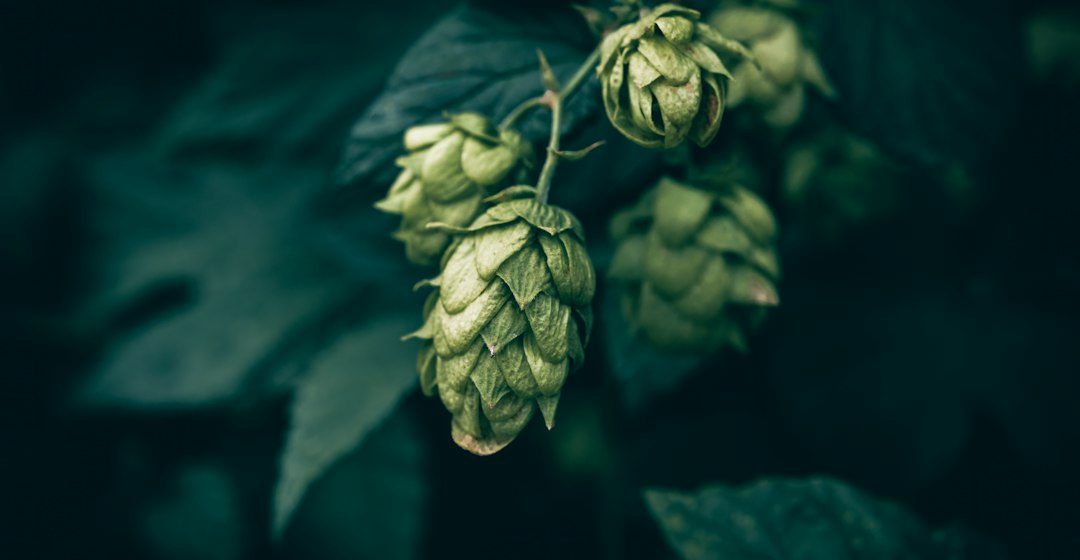
Brewers planning their next recipes are facing a reminder that a beer’s character begins long before the mash tun. Germany’s 2026 hop harvest was sharply reduced by summer heat and drought, raising questions about the availability and quality of some varieties used for bitterness and aroma. Industry groups put the crop at roughly 34,500 metric tonnes, around 20% below 2025’s 43,141 tonnes. The figures were discussed by German hop organisations during the BrauBeviale trade fair in Nuremberg in November. Vinetur reported the harvest estimate on November 12, 2026.
The shortfall does not mean breweries will immediately run out of hops or that every beer will become more expensive. It does, however, make purchasing, storage and recipe planning more important, particularly for breweries that depend on a narrow set of aroma varieties.
Why a smaller crop matters
Hops contribute several things at once. Their alpha acids are a major source of beer bitterness, while essential oils contribute aromas that can range from citrus and tropical fruit to herbs, flowers, pine and spice. The balance varies by variety, growing conditions, harvest timing and how the hops are handled after picking.
Heat and water stress can affect both yield and composition. Reports from Germany describe unusually hot conditions during the growing season, with the Hallertau region recording 46 hot days between May and August and rainfall around half the usual level. Early assessments also pointed to lower alpha-acid levels in parts of the crop. A reduction in total tonnes is therefore only one part of the issue: brewers also need to understand the chemistry and sensory profile of the lots they can actually buy.
Inventory can soften the immediate impact
Hops are not generally purchased and used in the same way as fresh fruit. Properly processed pellets and extracts can be stored, so a brewery with sound inventory planning may be able to bridge a difficult harvest year. Stocks from stronger previous seasons can also delay the point at which a crop shortfall affects a finished beer.
That buffer is not unlimited. Storage conditions matter, and hop aroma compounds can fade over time. A brewery holding older stock may need to check freshness and adjust its additions to maintain the intended result. A recipe designed around a bright, delicate aroma can be more exposed to a change in hop lot than a beer in which hops play a supporting role.
Recipe flexibility without losing identity
One response is to build flexibility into recipes. Brewers can evaluate alternative varieties with similar bitterness or aroma characteristics, blend lots, or adjust the timing of additions. These decisions should be made through small trials and sensory checks rather than simply swapping one hop name for another. Two varieties described as citrus-forward may still behave differently in a finished beer.
There is also a longer-term question about climate resilience. Research organisations and growers are testing varieties that can tolerate hotter, drier conditions. Suntory’s Global Innovation Center, for example, reported research identifying a genetic region associated with drought tolerance in hops, work that could support future breeding. The company published its findings on August 31, 2026. Such research is not an instant fix for the current crop, but it shows how agriculture and brewing science are becoming more closely linked.
What brewers should review now
- Check the crop year, origin and freshness of each hop lot rather than relying on the variety name alone.
- Review inventory rotation and storage conditions for pellets and extracts.
- Run small pilot batches before making a major recipe substitution.
- Keep sensory notes so changes in bitterness, aroma and finish can be traced to specific lots.
- Discuss forward contracts and alternative varieties early, especially for beers built around a single hop profile.
Supply pressure can encourage better brewing discipline
A smaller German crop is a real challenge for growers and a planning issue for breweries, but it does not dictate one outcome for every beer. The impact will depend on contracts, existing stocks, the varieties each brewery uses and how much flexibility its recipes allow. The best response is not to chase a substitute at the last minute. It is to understand the ingredients, test changes carefully and make sure the beer in the glass still tastes deliberate.
Estimated reading time: 5 minutes.