
 Dq208U3ELWo7
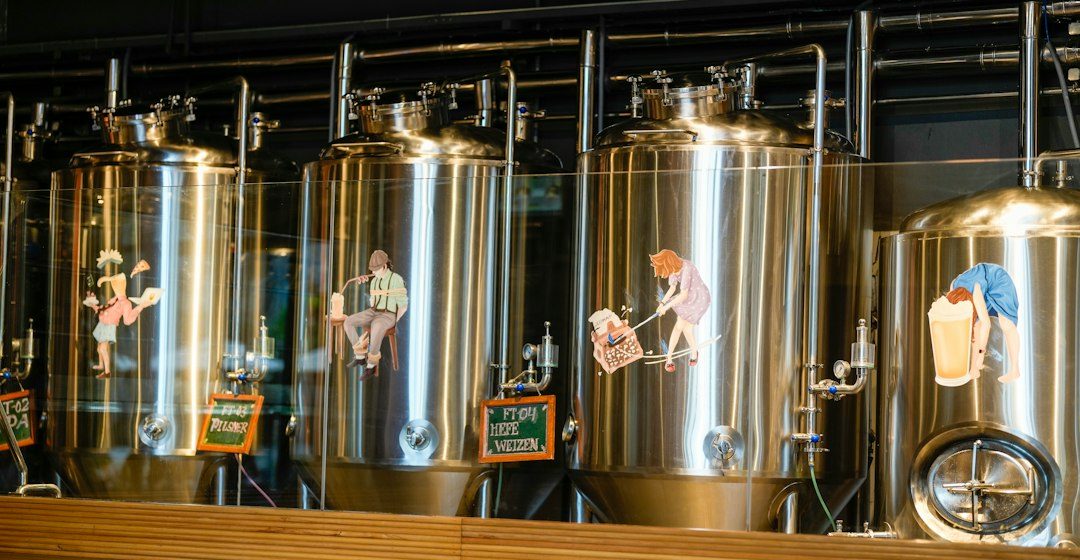
Lakewood Brewing Company is marking the latest chapter in its anniversary tradition with the release of Bourbon Barrel Temptress XIV, a special edition tied to the brewery’s annual celebration. The release places barrel-aged beer back in the spotlight and gives fans of the Temptress series a limited occasion to revisit one of the brewery’s recognizable formats.
Why anniversary beers matter
Anniversary releases do more than add another seasonal label to a tap list. They give a brewery a reason to bring its community together, revisit a familiar recipe and show how a beer changes through time. For established craft producers, the annual release can become a marker of continuity: returning customers know what the name represents, while new drinkers get an accessible entry point into the brewery’s history.
Barrel aging adds another layer of interest. A beer matured in bourbon barrels can pick up aromas associated with toasted wood, vanilla and caramel, while the base beer contributes its own roast, malt sweetness and body. The final result depends on the condition of the barrels, the beer’s strength, maturation time and the balance the brewer wants to achieve.
Balancing barrel character and drinkability
Barrel-aged releases can easily become dominated by oak or spirit-derived notes. A successful version needs enough structure to carry those flavors without losing the identity of the original beer. Brewers monitor how the beer develops and make decisions about blending, conditioning and packaging to preserve the intended profile.
For drinkers, serving temperature and glass choice can influence the experience. Very cold temperatures can mute aroma, while a slightly warmer pour allows malt, roast and barrel notes to emerge. Smaller pours are often practical for stronger, richer beers, particularly when they are being tasted alongside other special releases.
A community-centered release strategy
Limited anniversary beers can also strengthen the connection between a brewery and its local market. Taproom events, release-day gatherings and conversations with brewing staff make the product more than a transaction. They create a setting where customers can learn about the recipe, the barrel program and the people behind the beer.
That approach is especially relevant as craft breweries compete for attention in a crowded beverage market. A distinctive release can generate interest, but the longer-term value comes from consistency, hospitality and a clear sense of identity.
What to watch next
For Lakewood, the anniversary release continues a recognizable seasonal ritual. For the wider craft-beer category, it illustrates why barrel-aged specialties remain useful: they offer a premium, story-rich experience that is difficult to reproduce through mass-market packaging alone. The key is keeping the beer itself at the center of the story.