
 Dq208U3ELWo7
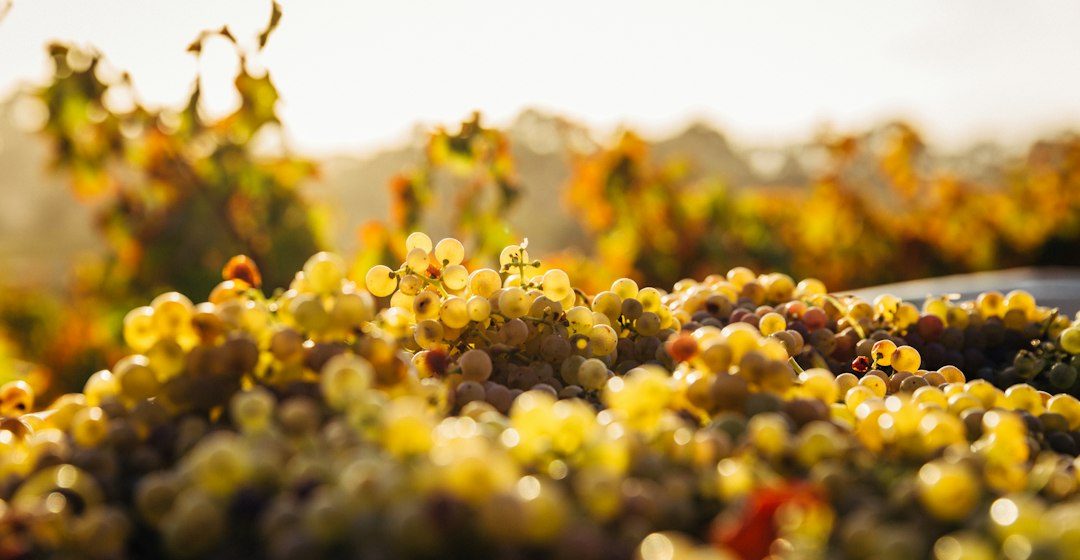
Global wine production is expected to remain close to historic lows in 2026 as vineyards continue to face a difficult combination of heat, drought, frost and other extreme weather. The International Organisation of Vine and Wine estimates output at about 225 million hectolitres, slightly below 2025 and close to the low recorded in 2024, according to Reuters reporting on November 18.
A fourth difficult year for producers
The forecast would mark a fourth consecutive year of below-average global production. The effects are not evenly distributed. Some regions have recovered from earlier shortfalls, while others have experienced severe losses linked to local weather conditions. That uneven pattern makes the global number important, but it does not tell the full story of any individual appellation or producer.
In the European Union, production is forecast to rise 1% to 137 million hectolitres, although the level remains below normal. The United States is facing a third weak year, while drought and other extremes have sharply reduced Australia’s harvest. Vine removal in countries including France, Spain and parts of South America is also contributing to the supply picture.
Climate pressure is changing vineyard decisions
Heat can accelerate ripening and reduce acidity, while drought can limit berry growth and stress vines. Frost may damage young shoots, and extreme rainfall can bring disease pressure or disrupt harvest operations. The timing of these events matters as much as their intensity: a brief cold snap at the wrong stage can have a disproportionate effect on a crop.
Producers are responding in different ways, depending on their climate, soils and available resources. Some are adjusting canopy management, changing harvest timing or investing in water strategies. Others are reviewing grape varieties and vineyard sites to improve resilience over the long term. Such decisions require careful planning because a vineyard is a long-lived investment and changes can affect a wine’s style and identity.
Lower supply meets changing demand
Production is only one side of the market. Global wine consumption fell 2.7% in 2025 amid economic pressure and changing lifestyles, while international trade weakened. Demand, especially for red wine, has been under pressure in several markets. That means lower harvest volumes do not automatically translate into higher prices for every producer or region.
For wineries, the challenge is to balance smaller or less predictable crops with consumers who are paying closer attention to price and occasion. Some producers may focus on direct relationships, tourism or premium bottlings, while others will need to protect access to everyday price points. Importers and retailers will be watching both availability and the changing mix of styles.
Quality and quantity are not the same story
Despite low volumes, some drought-affected regions have reported excellent grape quality. A smaller harvest can sometimes produce concentrated fruit, but outcomes depend on the conditions and the skill of the producer. It would be misleading to assume that a low-yield vintage is automatically exceptional or that every region has experienced the same result.
The 2026 forecast underlines the pressure climate places on the global wine business. Producers must adapt to increasingly variable seasons while responding to shifts in consumption and trade. For wine drinkers, the headline is not simply scarcity; it is a reminder that every vintage reflects a changing relationship between place, weather and human decisions.
Reporting context: Reuters’ November 18, 2026 report citing the International Organisation of Vine and Wine.