 Dq208U3ELWo7
Bars are facing a more demanding audience. Guests want a good drink, but they also expect an evening to feel worth leaving home for. Recent drinks-industry research points to a growing role for bartender recommendations, distinctive flavour and a stronger sense of experience—signals that could shape nightlife as venues plan for 2027.
The experience has to justify the visit
Hospitality businesses are navigating pressure from higher operating costs and consumers who are more selective about discretionary spending. In that environment, a venue cannot rely on a drinks list alone. Guests compare the atmosphere, service, music, comfort, location and the overall feeling of an evening when deciding where to meet friends.
That does not mean every bar needs an elaborate concept or expensive production. A welcoming room, a team that pays attention and a clear point of view can be more memorable than a complicated theme. The strongest venues understand what their audience comes for and make the experience feel coherent from arrival to the final order.
Bartenders are becoming the bridge between menu and guest
Bacardi’s 2027 Cocktail Trends Report, covered by Retail Times on November 18, highlights the influence of bartenders and the importance of human recommendations. That matters for nightlife because menus increasingly include unfamiliar ingredients, modern interpretations of classics and drinks with more complex flavour profiles.
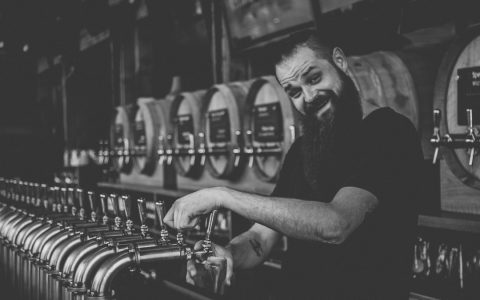
A bartender who can translate those choices into everyday language helps guests feel confident. Rather than reciting a list of ingredients, the team can ask whether someone prefers a dry, bright, bitter or fruit-forward drink. The recommendation becomes part of the hospitality rather than a sales pitch.
Programming can give a venue a reason to return
Events and collaborations can also help bars create a stronger relationship with their communities. Guest shifts, local food partnerships, small tastings and music-led evenings give regulars a reason to come back while introducing the venue to new audiences. The most effective programming fits the identity of the bar instead of feeling like an unrelated promotion.
Smaller formats may be especially useful. A focused event can be easier to staff and communicate than a large production, while still giving guests something they cannot get from an ordinary night out. Consistency matters: a recurring programme can build recognition and help customers plan ahead.
Designing a better night out
Practical details often determine whether an experience succeeds. Lighting should support conversation as well as atmosphere. Music needs to match the room and remain comfortable at different levels of occupancy. Menus should be readable, prices clear and service attentive without being intrusive. These fundamentals are not glamorous, but they influence whether guests stay, return and recommend a place.
Responsible service is part of that picture too. Staff training, water availability, food options and thoughtful support for guests help create a safer environment. A venue’s reputation is shaped by how it treats people, not only by its signature cocktail.
What nightlife operators should watch
The coming year may reward bars that combine a distinctive identity with dependable execution. Consumers can discover drinks online, but a memorable night out still depends on people and place. Venues that make guests feel welcome, guide them through the menu and give them a reason to return may be better positioned than those competing only on novelty.
In 2027, the most important nightlife innovation may be a simple one: making every guest feel that the evening was thoughtfully put together.
Reporting context: Bacardi’s 2027 Cocktail Trends Report, covered by Retail Times and Drinks Intel in October–November 2026.