
 Dq208U3ELWo7
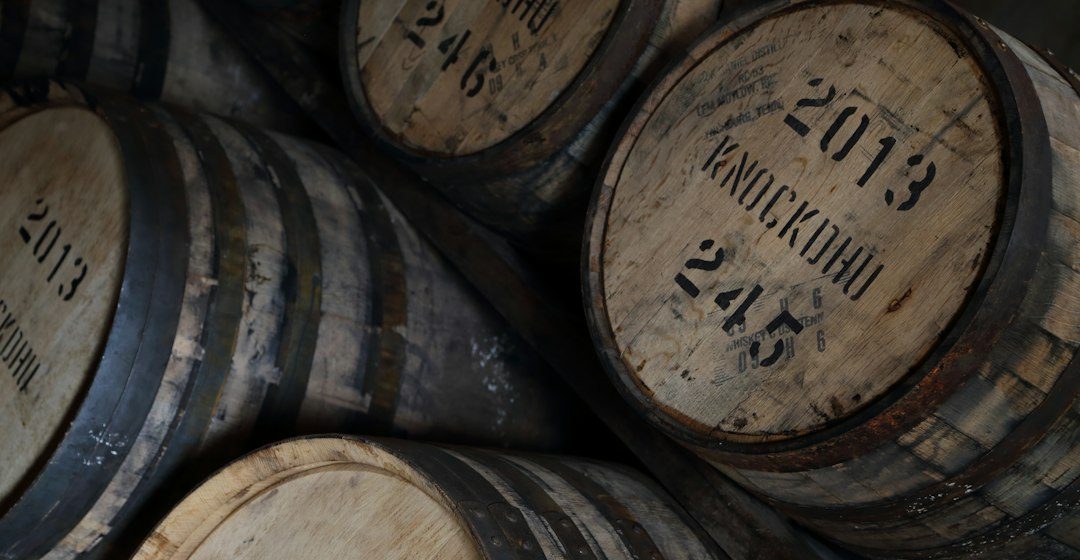
A tariff dispute in India is creating uncertainty for Scotch whisky shipments and the companies that supply the country’s spirits industry. Indian customs has detained dozens of bulk Scotch containers imported by Pernod Ricard and Diageo while officials examine whether the shipments qualify for a reduced tariff under the India–UK trade pact. The agreement took effect in July 2026, but the two sides of government are now interpreting the treatment of bulk and bottled whisky differently. Reuters reported the dispute on November 11, 2026.
The issue is not simply whether Scotch whisky can enter India. It is how the product is classified when it arrives in bulk and is then used in further manufacturing or blending, rather than being imported as a finished bottle ready for retail.
Why the tariff interpretation matters
Under the trade pact, companies have claimed that qualifying Scotch imports should receive a 75% tariff rate, lower than the previous 150% level. Investigators from India’s Directorate of Revenue Intelligence argue that the reduced rate applies to finished, bottled Scotch rather than bulk concentrates that undergo additional processing in India. A finance ministry memo dated November 4 instructed customs officials to apply the higher rate while the classification question is examined.
The commerce ministry had separately indicated on November 2 that the pact would be honoured and the dispute resolved. The conflicting signals have left importers facing a practical problem: shipments can be held while officials determine which interpretation applies.
Bulk whisky is part of a wider production chain
Many imported Scotch shipments are not necessarily intended to be sold as bottles straight off the ship. Bulk whisky can be used by local producers in blends or other manufacturing processes before a product reaches consumers. That supply chain helps explain why the distinction between bottled imports and bulk shipments matters to the companies involved.
Reuters reported that Pernod Ricard and Diageo each had more than 40 containers held at ports, while Bacardi had five. The report also noted that most Scotch imported from Britain arrives in bulk for use in Indian-made spirits. If the higher tariff is applied to those shipments, companies may need to reassess costs, sourcing and the economics of local production. The final effect will depend on how the authorities resolve the classification issue.
What is at stake for the trade agreement?
Trade agreements are designed to give businesses more predictable rules. When customs authorities and other ministries appear to take different positions on the same product category, that predictability becomes harder to rely on. Importers need to know which tariff applies before they commit to shipping, bottling, blending and retail plans.
The dispute could therefore matter beyond the individual containers currently being held. Industry groups have warned that uncertainty could undermine market access promised by the agreement. A negotiated clarification would help companies understand how the tariff reduction applies to different forms of Scotch and what documentation is required.
What consumers should—and should not—assume
It is too early to say that the dispute will immediately change shelf prices or availability for every Scotch whisky in India. Companies may have existing inventory, alternative supply arrangements or the ability to absorb some costs. The extent of any effect will depend on the duration of the holds, the final tariff decision and how much of the market depends on bulk imports.
It is also important to distinguish a trade classification issue from a product-quality issue. The dispute concerns the form in which whisky enters the country and the duty applied to it. It does not, on its own, indicate a change in the quality or authenticity of Scotch whisky.
What happens next?
The ministries are discussing a resolution, according to the Reuters report, but the outcome had not been settled at the time of publication. Importers will be watching for a clear ruling on whether bulk whisky used in further production can qualify for the reduced rate. A consistent interpretation would help both customs officials and businesses plan with fewer surprises.
For the wider spirits trade, the episode is a reminder that tariff schedules are only part of a market-entry strategy. Product classification, documentation and the way a spirit is processed after import can be just as important as the headline duty rate.
Estimated reading time: 5 minutes.