 Dq208U3ELWo7
Paris nightlife is showing signs of a new chapter, but the story is not simply about bigger clubs or a return to the past. A recent look at the city’s scene describes historic names reopening or being reworked alongside smaller independent spaces that put music, community and a distinct identity at the centre of the night. The mix includes venues such as L’Aventure and Bus Palladium, plans around Le Palace, and newer spaces including Essaim and Tar. Wallpaper reported on the shift on November 17, 2026.
The revival is interesting because it comes at a time when nightlife operators face difficult economics. Rent, staffing, licensing, noise complaints and late-night transport can all shape whether a venue survives. A strong reputation may bring people through the door, but it does not remove the practical work required to keep a club open.
Historic names are being reinterpreted
Some of the venues attracting attention have a history that carries its own cultural weight. Bringing back a familiar club name can create immediate interest, but nostalgia is not enough to build a lasting audience. A successful revival needs to decide what should be preserved and what must change: the music policy, room layout, food and drink offer, booking approach and relationship with the neighbourhood.
Hybrid venues are one response. A space may combine dining, live performances, hotel or cultural programming with a later-night club format. That can create more than one reason to visit, and it may help a business use its space at different times. The risk is that a venue becomes so many things that it loses a clear identity. A strong programme still needs a point of view.
Smaller rooms can build stronger communities
Independent spaces such as Essaim and Tar are part of a wider conversation about music-led venues. Smaller rooms can offer a closer connection between DJs, performers and the crowd. They can also give local scenes room to develop without requiring every event to become a large-scale production.
That intimacy changes the expectations of a night out. Guests may value a thoughtful line-up, good sound and a welcoming room more than elaborate spectacle. Privacy can also be part of the appeal. In an era when phones are constantly present, some venues are trying to create environments where the focus stays on the music and the people in the room rather than on documenting every moment.
The pressures behind the dance floor
There are limits to the revival narrative. High operating costs can make small venues fragile, while noise rules and planning restrictions can complicate late-night operations. Transport is another factor: a club can programme a strong night, but guests and staff need practical ways to get home or travel across the city safely.
Neighbour relationships matter as well. A venue that communicates with nearby residents, manages queues and sound responsibly and supports its staff is more likely to build the trust needed to operate over time. Nightlife is part of a city’s cultural life, but it exists alongside homes, workplaces and public services. Long-term success depends on managing those relationships rather than treating them as an afterthought.
What makes a night worth returning to?
For guests, the best club experience is often a combination of details: a line-up that feels curated, sound that is clear without being punishing, staff who are attentive, and a room where people can move comfortably. A venue does not need to be enormous to feel memorable. It needs to know what kind of night it wants to create and deliver that promise consistently.
For operators, the challenge is to balance artistic identity with a workable business model. Food, drinks, private events and cultural partnerships can help diversify revenue, but they should support the venue’s central character rather than obscure it. The Paris examples show several ways clubs are experimenting with that balance, from historic revivals to more intimate, multidisciplinary spaces.
A revival built on more than nostalgia
Paris’s nightlife future will not be decided by famous names alone. It will depend on whether clubs can support artists, earn the loyalty of new audiences and work constructively with the city around them. The most promising sign is not simply that old doors are opening again; it is that different kinds of rooms are finding new reasons for people to gather in person.
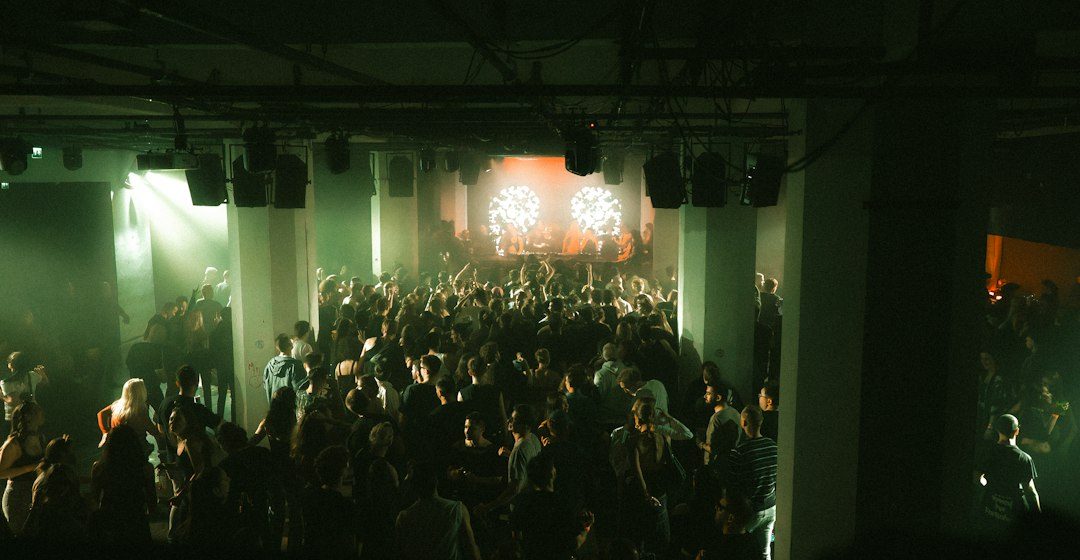
Estimated reading time: 5 minutes. The image is illustrative and is not a photograph of any named Paris venue.