 Dq208U3ELWo7
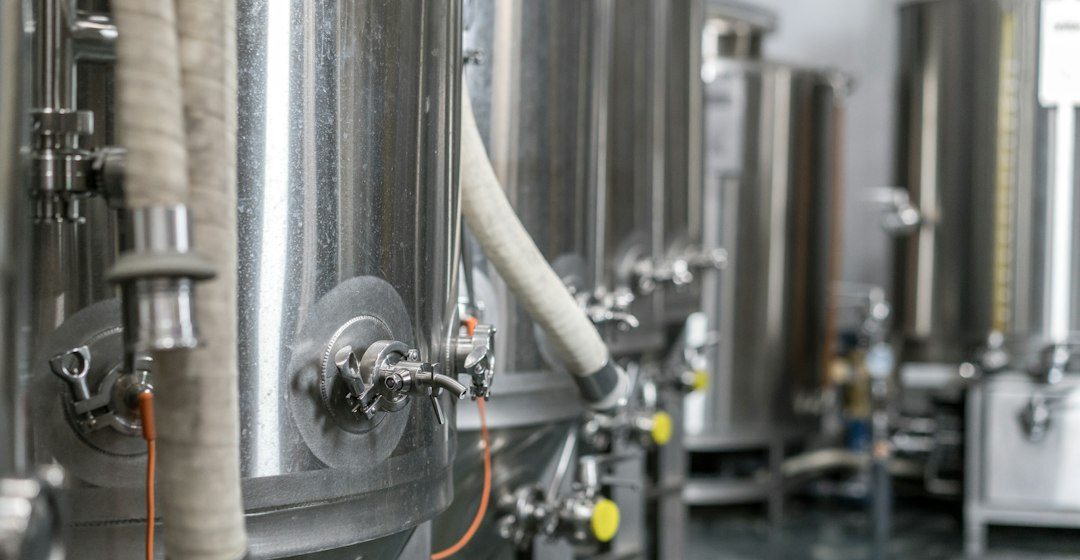
Homebrewing rewards patience more than complicated gear. Many disappointing batches come from small process slips: rushed cleaning, uneven temperatures, inaccurate measurements or packaging before fermentation is complete. A repeatable routine helps brewers understand what worked and improve the next batch.
Clean first, sanitize second
Cleaning removes visible residue; sanitizing reduces microorganisms on a surface that is already clean. One does not replace the other. Wash fermenters, spoons, tubing and valves promptly after use, inspect scratches and seals, and follow sanitizer instructions. Keep the workflow simple so equipment does not sit exposed while you prepare the next step.
Control fermentation conditions
Fermentation temperature affects yeast performance and the character of finished beer. Room temperature is not always the same as the temperature inside an actively fermenting vessel, so use a reliable thermometer and follow the yeast maker’s recommended range. If your setup cannot hold a precise temperature, choose a yeast and recipe suited to the conditions rather than forcing a style that needs equipment you do not have.
Take useful notes
Record ingredient amounts, gravity readings when available, fermentation temperature, dates and any changes. Notes need not be elaborate; they should answer what to repeat or adjust. Use the same measuring tools and method from batch to batch so comparisons mean something.
Package only when ready
Stable gravity readings are a better sign of fermentation completion than a calendar estimate. Follow a trusted recipe and use pressure-rated bottles or suitable kegs. Incorrect priming sugar or premature bottling can create excess pressure. When in doubt, wait and seek reliable brewing guidance rather than guessing.
Consistency is the real upgrade. A tidy workspace, sound sanitation, suitable fermentation conditions and clear records will teach more than adding another piece of equipment. Improve one variable at a time and let each batch inform the next. Estimated reading time: 4 minutes.