 Dq208U3ELWo7
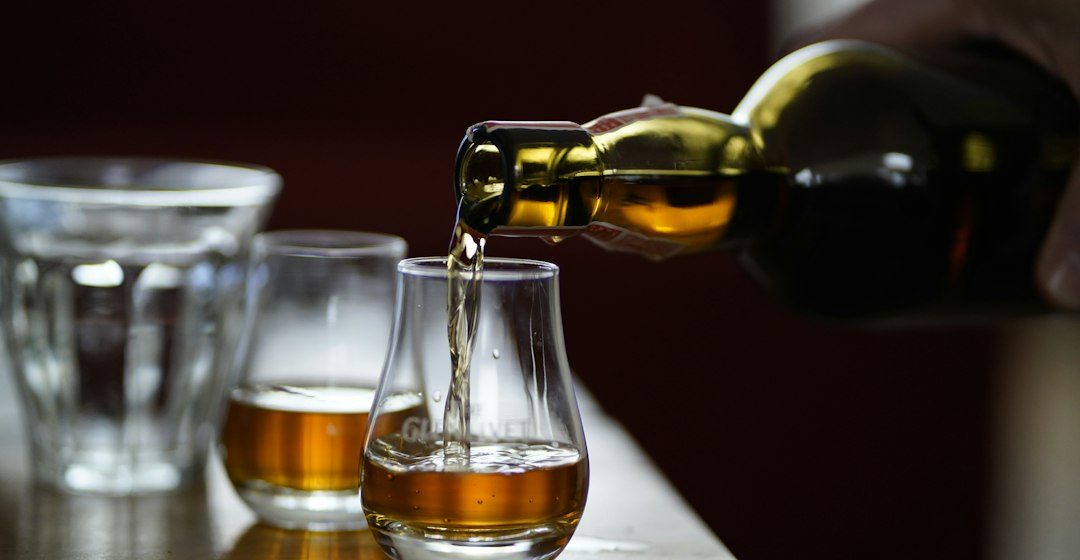
Whisky tasting is often described with elaborate flavour language, but a useful tasting can be simple. You do not need to identify every aroma or agree with someone else’s notes. The aim is to notice what you enjoy and understand how aroma, texture, strength and finish shape the experience.
Begin with the nose
Pour a small measure into a clean glass with room at the top. Bring it toward your nose gently rather than inhaling deeply; alcohol vapour can overwhelm subtle aromas. Try short sniffs and describe broad impressions first: fruit, grain, vanilla, spice, smoke, herbs or wood. A tulip-shaped glass can concentrate aromas, but any clean glass is fine for casual exploration.
Take a small sip
Let a little whisky coat the palate, then notice its texture and how flavours develop. Is it light or rich, dry or sweet, soft or warming? The finish is the impression that remains after swallowing. You may notice a flavour that was less obvious on the nose. There is no need to rush from one bottle to another; a pause helps reset your attention.
Water can be a tool
A few drops of water may soften the alcohol sensation and reveal different aromas, particularly in higher-strength whisky. Add it gradually and compare before and after. Water is optional, not a test of expertise. Ice changes temperature and dilution over time; choose the serving style that suits you.
Compare thoughtfully
If tasting two whiskies, use small pours and compare one feature at a time—perhaps a lighter style with a richer one, or different cask influences. Keep notes in everyday language. “Dried fruit and a long warming finish” is more useful than copying a tasting wheel without knowing what it means.
Keep tasting modest and responsible, and include water and food when appropriate. Never drive after drinking. Confidence comes from paying attention, not from finding the “right” answer. Over time, your own notes will reveal which styles and flavours you genuinely prefer. Estimated reading time: 4 minutes.