 Dq208U3ELWo7
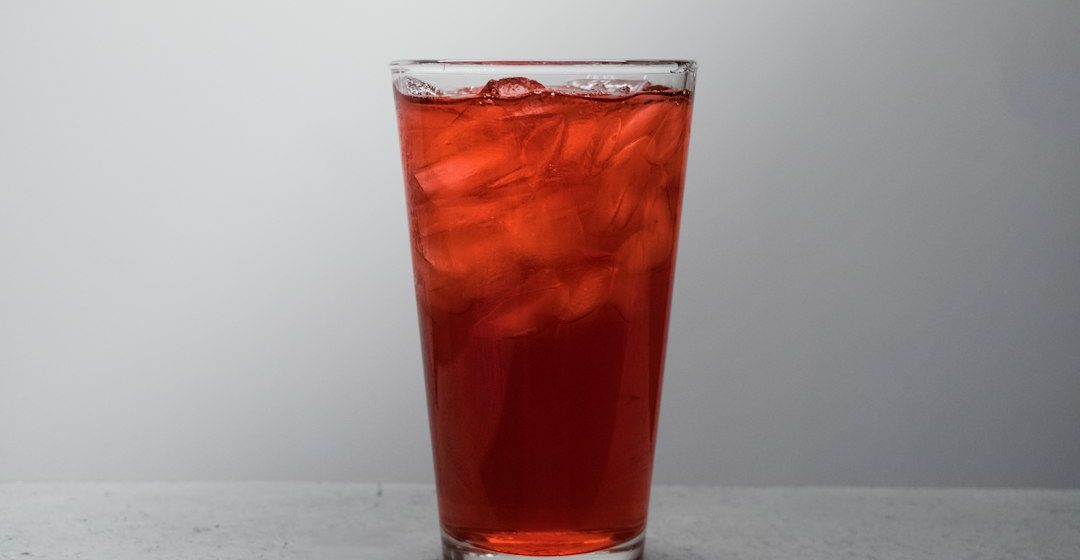
A refreshing drink should feel lively, not heavy. Fruit, acidity, cold water and a little texture can create a satisfying glass without depending on a large amount of added sugar. The key is to build flavour in layers and taste as you go.
Choose fruit for aroma and acidity
Citrus, berries, stone fruit and tropical fruit each bring a different balance. Lemon or lime can sharpen a sweet fruit base, while ripe peaches or mango provide roundness. Fresh fruit is not always sweeter or more flavourful than frozen fruit; use what is in season and convenient, and avoid fruit that tastes dull or overripe.
Make a simple base
Muddle a few pieces of fruit gently or use a small amount of unsweetened puree. Add citrus juice and cold water or sparkling water, then taste before adding sweetener. Start with less syrup than you think you need. Fruit concentrates and flavoured syrups can add substantial sweetness, so check labels when that matters to you.
Use herbs and texture carefully
Mint, basil, ginger or citrus peel can add aroma without making the drink sugary. A pinch of salt can sometimes make fruit flavours seem more vivid, but use it sparingly. Strain the drink for a cleaner texture, or leave some pulp for a fuller feel. Large ice cubes melt more slowly, while crushed ice chills quickly and dilutes faster.
Prepare safely and serve fresh
Wash produce, use clean tools and refrigerate prepared juice or puree promptly. If making a batch, keep it cold and add sparkling water just before serving to preserve the fizz. Label ingredients for guests with allergies or dietary needs, and offer plain water alongside the drinks.
A useful formula is fruit, acid, cold liquid and optional sweetness. Once you understand the balance, adapt it to what is available—without needing a complicated recipe. A well-made refresher should be colourful, crisp and easy to enjoy at any gathering. Estimated reading time: 4 minutes.