
 Dq208U3ELWo7
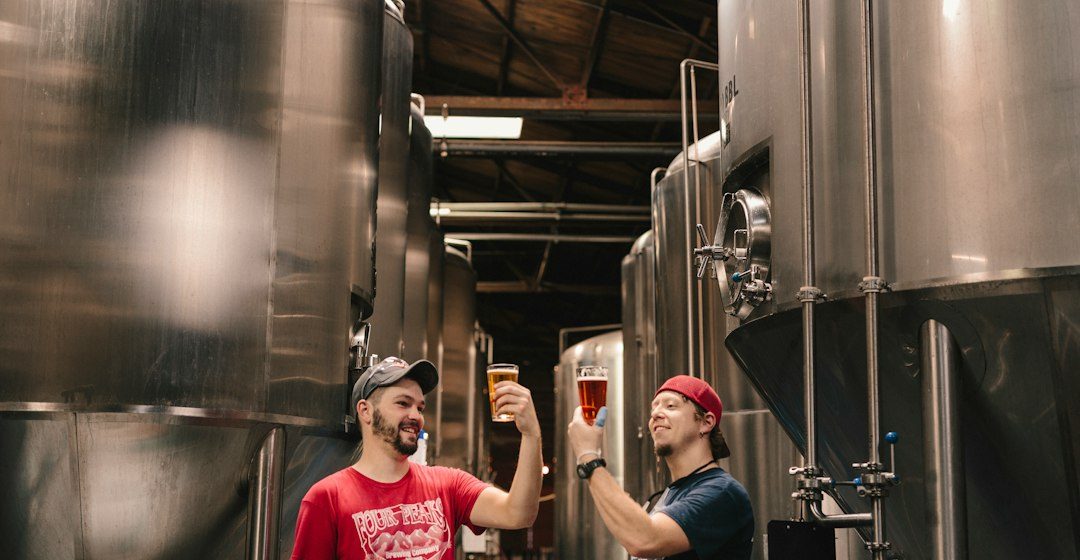
Colorado’s craft beer scene is getting another neighbourhood meeting place. Westbound & Down Brewing is preparing to open a 2,340-square-foot taproom at 142 Pratt Street in Longmont on Friday, November 20, adding a second location in Boulder County. The expansion is a practical business move, but it also says something about what a brewery taproom can offer beyond a place to order a pint.
The company, founded in Idaho Springs in 2015, has built a reputation through brewing awards and a growing production footprint. The Longmont opening gives the brewery a more direct presence in a community where some of its team members already live. The company has also outlined a future Denver-area brewpub in Wheat Ridge, planned for June 2027. Those projects point to a measured expansion across the Front Range rather than a single, isolated opening. Axios reported the Longmont plans on November 17, 2026.
Why taprooms still matter to craft breweries
A taproom gives a brewery a place to introduce its range without relying entirely on supermarket shelves or outside bar accounts. Visitors can ask staff about ingredients, compare styles side by side and learn how a beer changes with fermentation, hops or maturation. For a regional brewery, that face-to-face relationship can be as important as the room’s sales: it helps turn a name on a can into a place and a team people recognise.
Taprooms also give breweries flexibility. A brewer can pour a small batch, test a seasonal idea or explain a limited release directly to guests. That does not mean every taproom should become a destination restaurant or event venue. The most useful spaces often make the beer easy to understand, keep service approachable and give people a reason to return without making every visit feel like a special occasion.
What Longmont adds to the picture
The new site expands Westbound & Down’s reach within Boulder County and places the brand in a community with its own established food, beverage and outdoor culture. A 2,340-square-foot room is large enough to function as a gathering place, but the real test will be how well the brewery connects its beers with the people who live and work nearby. The opening is also a reminder that local expansion can be more than a production decision: it is a commitment to staffing, service, maintenance and consistent quality at another address.
The company’s planned Wheat Ridge brewpub, if it proceeds on the announced timetable, would add another kind of venue to the portfolio. A brewpub generally has a stronger food-service component than a straightforward tasting room, so it can reach guests who are looking for a meal as well as a beer. The two formats serve different occasions and should not be treated as interchangeable.
How to make a taproom visit count
For visitors, a flight is a useful way to explore a brewery’s range, especially when the styles are clearly described. Start with a lighter beer before moving to more assertive flavours, and ask the team what best represents the brewery’s current approach. If a beer is unfamiliar, ask about its malt character, bitterness and fermentation profile rather than relying on a style name alone.
- Check the venue’s official opening hours and current service details before travelling.
- Choose a small tasting flight if you want to compare styles without committing to a full pour of each.
- Ask whether a limited release is available on tap or in packaged form; availability can change.
- Plan a safe journey home and make room for water and food during a longer visit.
What makes an expansion sustainable?
Opening another room is only the visible part of a brewery’s growth. The less visible work includes training staff, keeping equipment reliable, managing deliveries and making sure beer quality remains consistent from one location to another. A taproom also needs a service rhythm that fits its neighbourhood. A room built around regular local visits may need different programming and staffing from a destination venue that attracts visitors from further away.
For guests, consistency does not mean every location has to feel identical. It means the beer is well handled, the information is clear and the welcome feels considered. A new venue can have its own atmosphere while still reflecting the brewery’s standards. That balance is one reason local taprooms can become meaningful parts of a craft brewery’s identity rather than simply extra points of sale.
A local address, not just another tap handle
Westbound & Down’s Longmont opening is a timely example of a brewery investing in the communities around its beer. The success of the room will depend on the everyday details—welcoming service, fresh pours, clear information and a reason for neighbours to come back. For Colorado craft beer, that kind of steady local connection remains one of the strongest ways to make a brewery feel part of its surroundings.
Estimated reading time: 5 minutes. Image is illustrative and does not depict the specific Longmont venue.