
 Dq208U3ELWo7
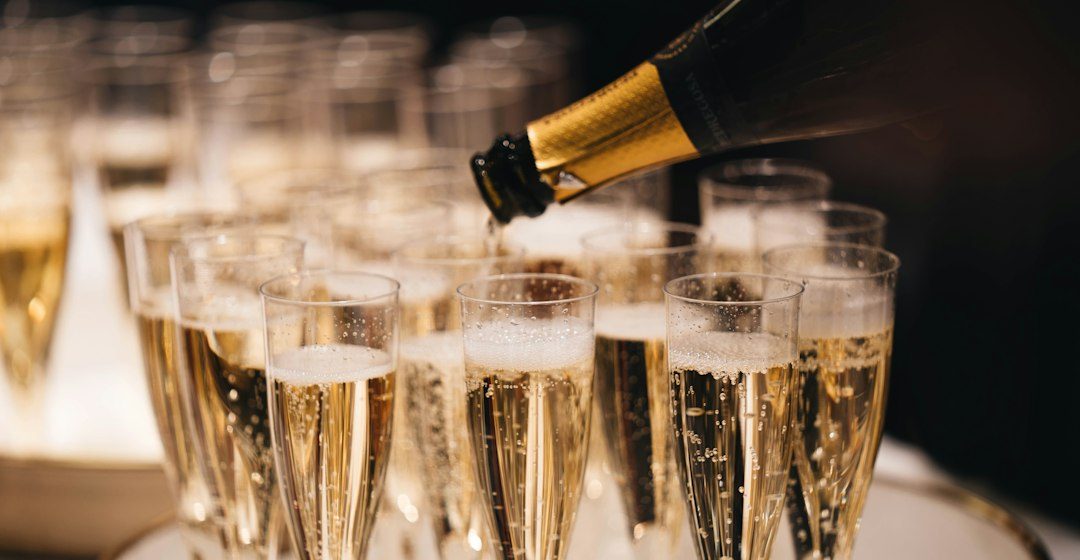
Champagne can make a meal or gathering feel special, but serving it well is less about ceremony than a few thoughtful choices. Temperature, glassware and how the bottle is opened influence the experience. The aim is to preserve freshness and aroma while keeping the moment relaxed.
Chill gradually
Place the bottle in a refrigerator well before serving, or use an ice bucket with ice and water for a quicker chill. Avoid relying on the freezer, where a forgotten bottle can become a safety hazard. A properly chilled bottle is easier to handle and helps the wine retain its lively character when poured.
Choose a glass for aroma
A flute highlights the stream of bubbles, but a tulip-shaped sparkling-wine glass gives aromas more room to develop. A small white-wine glass can also work well. Use clean glassware without detergent residue, which can interfere with foam and aroma.
Open with control
Keep the bottle pointed away from people and fragile objects. Remove the foil, hold a thumb over the cork, loosen the cage while maintaining pressure, and turn the bottle—not the cork—slowly. A gentle sigh is preferable to a loud pop because it wastes less wine and keeps the cork under control. Never shake a bottle before opening.
Pour and pair thoughtfully
Pour a small amount first, allow foam to settle, then top up. Serving too much at once can warm the wine in the glass. Brut styles often pair well with salty snacks, seafood, fried foods and creamy cheeses because acidity and bubbles refresh the palate. Rosé Champagne can complement richer dishes, while sweeter styles may suit fruit-based desserts.
Match service to the occasion. A modest glass, safe opening and simple food pairing are enough. Champagne’s appeal is not only its sparkle; it is the balance of freshness, texture and the shared moment around the table. Estimated reading time: 4 minutes.