
 Dq208U3ELWo7
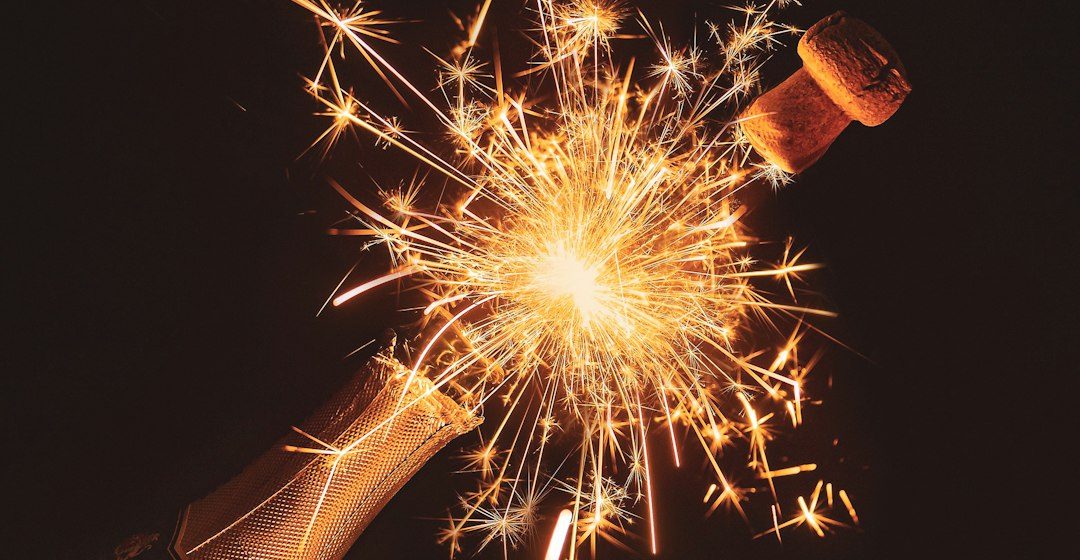
Champagne’s identity is built on more than the wine in the bottle. Its vineyards, villages, historic cellars, landscape and generations of specialist work have helped shape one of the world’s best-known wine regions. A charity dinner held in Reims on November 13 has brought renewed attention to that wider heritage, with proceeds intended to support an inventory of Champagne’s cultural legacy.
Why heritage documentation matters
Champagne is recognised internationally as a protected wine region, but the story behind the appellation is made up of many local details. Historic buildings, underground cellars, vineyard structures, production traditions and community practices all contribute to the character of the place. Recording those elements helps preserve knowledge that can otherwise disappear as buildings change hands, businesses modernise and rural communities evolve.
An inventory is more than a list of attractive landmarks. It can help researchers and local organisations understand what exists, assess its condition and identify places or practices that deserve attention. A well-documented record can also support education, cultural tourism and future conservation decisions.
Reims as a natural meeting point
Reims has a central place in the Champagne story. The city is closely associated with the region’s historic houses, trade networks and visitor economy, while the surrounding area connects urban heritage with the vineyards and smaller communities that supply the grapes. Events in Reims can therefore bring together people who approach Champagne from different perspectives: producers, hospitality businesses, cultural organisations and residents.
The November dinner, highlighted by Champagner.com, used a fundraising format to connect a social occasion with a specific cultural objective. That approach can make heritage work more visible to people who may know Champagne mainly as a celebratory drink. It also reminds visitors that the region’s reputation depends on a living landscape and the people who maintain it.
Protecting more than a label
Wine regions face pressure from several directions. Climate change is altering growing conditions, while tourism, property development and shifts in the economics of farming can affect local landscapes. Producers must adapt their businesses, but communities also need ways to retain the distinctive features that make a place recognisable.
Heritage projects can help create a shared understanding of what should be protected and why. They may also encourage younger generations to see local history as relevant to the future rather than simply a record of the past. For Champagne, this includes the craft knowledge behind vineyard work, cellar practices and the careful coordination required to produce a consistent sparkling wine across changing vintages.
A broader story for Champagne visitors
Interest in wine tourism is often driven by tastings and cellar visits, but cultural context can make those experiences more meaningful. Visitors who understand how the region developed are better able to appreciate why origin, rules and local traditions matter. Heritage documentation can provide a foundation for that storytelling, while giving residents a stronger record of their own surroundings.
The Reims fundraiser is a small event with a wider message: Champagne’s value is inseparable from its place. Supporting an inventory of the region’s heritage is one way to keep that story visible for future generations.
Reporting context: Champagner.com reported the Reims charity dinner for the Champagne heritage inventory on November 13, 2026.