
 Dq208U3ELWo7
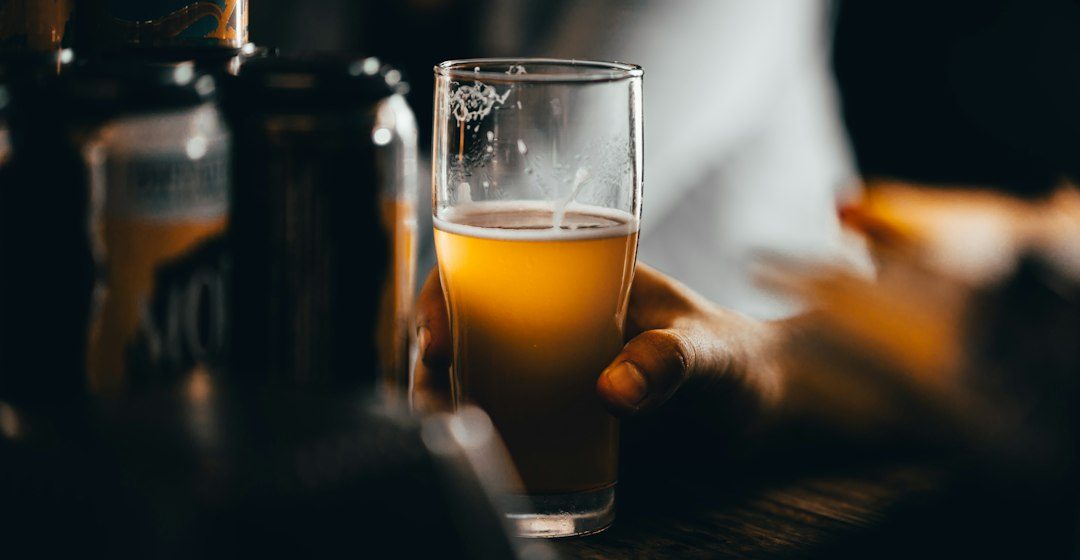
Beer has always been social, but more drinkers are learning to notice what is in the glass as well as who is around the table. A thoughtful tasting does not require specialist equipment or an expensive bottle. It begins with paying attention to aroma, texture, temperature and the way a beer changes as it warms.
Start with the basics
Pour gently into a clean glass that allows room for aroma. Look at the colour and foam, then smell before taking a sip. Try to describe what you notice in plain language: citrus, toast, herbs, caramel, bread or roasted coffee. There is no single correct vocabulary. The useful habit is making a specific observation rather than deciding immediately whether a beer is “good” or “bad.”
Style gives context, not a score
Knowing whether a beer is a lager, pale ale, stout or wheat beer helps set expectations. A crisp lager may emphasize clean fermentation and refreshment, while a stout can bring roast, cocoa or a fuller texture. But style is a guide, not a rulebook. Brewers work across traditions, and individual examples can vary widely.
Serve beer cool, but not necessarily ice-cold. Very low temperatures can mute aroma and make differences harder to notice. Let a small pour sit for a few minutes and compare it with the first sip. Notice whether bitterness, sweetness or fruit character becomes more apparent.
Make tasting useful and welcoming
For a small group, pour modest samples and compare one variable at a time: two hop-forward beers, two lagers, or the same style from different breweries. Water and a simple snack help reset the palate. Keep notes brief, and make room for personal preference. A tasting is not a contest in which the most technical description wins.
Responsible tasting also means pacing, offering non-alcoholic choices and ensuring nobody feels pressured to drink. The goal is curiosity, not quantity. With a little attention, even a familiar beer can reveal new details—and a shared tasting can become a more engaging conversation.
Estimated reading time: 4 minutes.