
 Dq208U3ELWo7
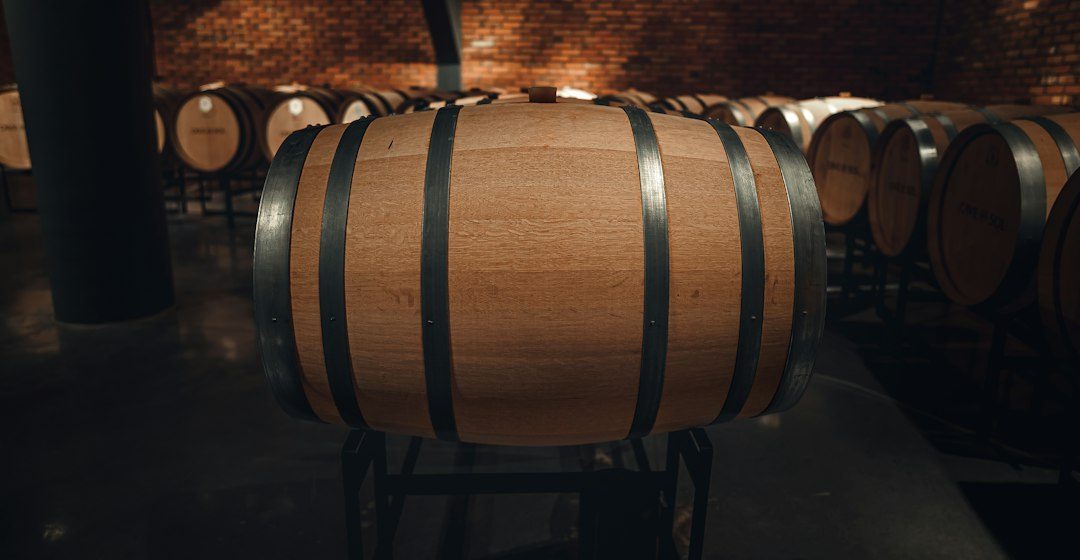
A whisky finished in a different cask has spent some part of its maturation in a barrel that differs from its earlier cask. The term can sound like a precise promise, but it describes a broad practice. The result depends on the original spirit, the cask’s history, the liquid it previously held and the length and conditions of the finishing period.
What a cask contributes
Wood can influence colour, aroma, texture and flavour as whisky matures. A cask previously used for wine, fortified wine or another spirit may leave traces of its earlier contents, while the wood itself contributes compounds shaped by seasoning and treatment. These influences do not arrive in a uniform way, and a cask is not a flavouring ingredient with a guaranteed outcome.
Finishing time is only one variable
A short finish may be noticeable, while a longer period does not automatically mean a stronger or better result. The spirit’s character, cask condition, warehouse environment and the producer’s blending decisions all matter. A label that names a finishing cask tells you something about the process, but not the exact intensity of every flavour you will find.
Read tasting notes as possibilities
Descriptions such as dried fruit, spice, nuts or sweetness are useful prompts, not universal sensory facts. Your perception will be affected by glassware, serving temperature, the whisky’s strength and your own experience. Begin by smelling gently and noting broad impressions before looking for specific terms. That helps separate your observations from the language on a label.
Compare thoughtfully
If comparing two finishes, use modest pours and change only one variable where possible. Keep water nearby and add it gradually if you choose; water can alter aroma and texture, but no single amount suits every whisky. There is no need to finish a sample, and never drive after drinking.
Choose by preference, not prestige
Cask finishing can be an interesting way to explore a whisky, but it is not a guarantee of quality or value. Consider whether you enjoy the underlying spirit as well as the added character. Your own notes and preferences are a more reliable guide than a cask name alone.