 Dq208U3ELWo7
Whisky tasting becomes more approachable when you slow down and separate what you notice from what you think you should notice. You do not need an elaborate vocabulary or a rare bottle. A repeatable method helps you compare whiskies fairly and discover which characteristics you enjoy.
Pass one: observe
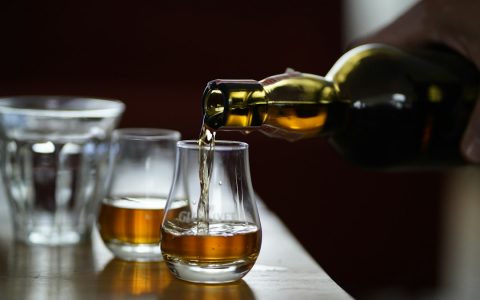
Begin with a modest pour in a clean glass. Look at the colour, but remember that colour alone cannot reliably tell you age, quality, or flavour; cask choices and other factors can influence it. Bring the glass toward your nose gently rather than burying your nose in the rim. Notice broad impressions first: fruit, grain, spice, smoke, or sweetness.
Pass two: taste
Take a small sip and let it move across your palate. Consider texture as well as flavour: light or full, oily or dry, soft or assertive. Notice how the flavour develops from the first impression to the finish. If a note is hard to name, describe its effect instead—warming, crisp, drying, or lingering.
Pass three: revisit
After a few minutes, smell and taste again. The whisky may seem different as it opens and as your palate adjusts. If you choose to add water, use a few drops and compare before and after. Water can change the way aromas are perceived, but there is no universal amount that suits every whisky.
Compare responsibly
When tasting more than one, use small pours, keep water nearby, and take breaks. A non-alcoholic option can be part of the session, and there is no need to finish a sample. Avoid driving after drinking; arrange a safe way home in advance. The point is sensory attention, not volume.
Write notes that help later
Use a few plain words and a personal conclusion: what stood out, what you liked, and when you might choose it again. Avoid copying a tasting note from a label or review. Your own impressions are the most useful reference when choosing another bottle.
With this three-pass approach, tasting becomes less about guessing a “correct” answer and more about noticing details. Over time, your notes can reveal preferences for texture, aroma, and finish—and make each comparison more meaningful.