 Dq208U3ELWo7
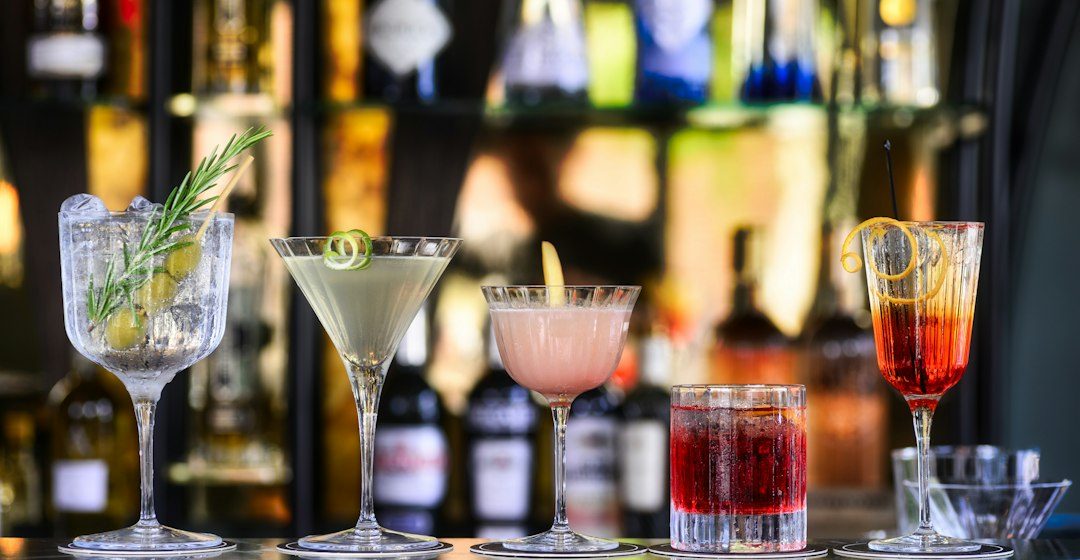
Taiwan Cocktail Camp 2026 brought bartenders and drinks professionals together for an exchange centered on technique, ideas and the evolving role of hospitality. Events like this give working bar teams a chance to learn from peers, test new approaches and build connections that can influence menus well beyond the event itself.
Why bartender exchanges matter
Cocktail culture develops through the movement of people and ideas. A bartender may learn a new preparation method from a visiting colleague, discover an unfamiliar ingredient or rethink how a classic drink can be presented. These exchanges can be especially valuable for emerging markets, where local bar teams are building their own identity while drawing on international traditions.
Workshops and demonstrations also make technical knowledge more accessible. Topics may include dilution, ice, fermentation, clarification, low-waste preparation and the responsible use of seasonal ingredients. The practical value comes when participants can adapt what they learn to their own bar, budget and guest expectations.
Local ingredients and regional voice
One of the most interesting developments in modern cocktail menus is the use of local produce and cultural references. Bartenders can create a sense of place through tea, fruit, herbs, spices and traditional flavors, while still using familiar cocktail structures. The challenge is to make the drink understandable and balanced rather than relying on novelty alone.
Regional exchange can help teams see how other bars approach similar questions. A technique developed in one city may inspire a new menu in another, but the strongest results usually come from adapting the idea to local ingredients and guests.
Hospitality is more than the recipe
Events also reinforce that a successful cocktail program depends on service. Staff need to explain flavors, understand guest preferences and offer non-alcoholic choices with the same care as alcoholic drinks. Consistency, cleanliness and responsible service are fundamental to a good bar experience.
What comes after the event
The long-term value of a cocktail camp is measured by the relationships and ideas that continue afterward. Participants may collaborate on guest shifts, share techniques or introduce new approaches to their home venues. For the wider industry, these exchanges help keep cocktail culture creative while maintaining a strong focus on craft and hospitality.