
 Dq208U3ELWo7
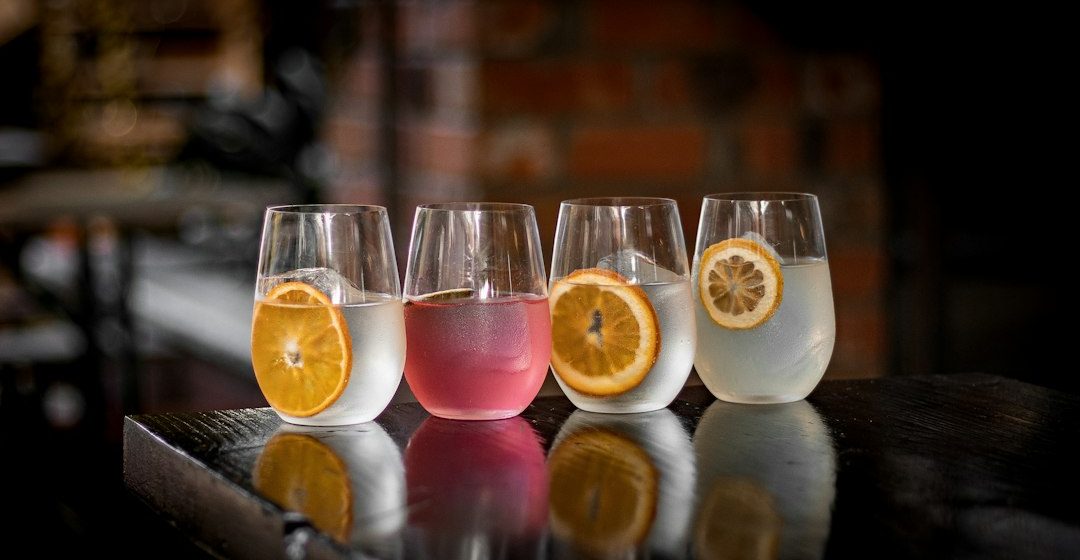
Cocktail conversations in 2026 are increasingly moving beyond sweetness and familiar fruit combinations. Bar teams are exploring savory ingredients, deeper umami notes and more culinary references, while the martini is enjoying renewed attention as drinkers look for clarity, precision and a sense of occasion.
From garnish to ingredient
Savory flavors are not entirely new to cocktail culture, but they are becoming more deliberate. Tomato, olive, herbs, pickled ingredients, spices and fermented elements can add depth when used with restraint. Instead of treating a garnish as decoration, bartenders are using it to shape aroma and flavor from the first sip.
Umami is particularly interesting because it can make a drink feel rounder and more substantial. It may come from culinary ingredients, savory syrups or carefully prepared infusions. The challenge is balance: too much salt, acidity or intensity can overwhelm the base spirit. Successful recipes use small amounts and test how the ingredients change as ice melts.
Why the martini is back in focus
The martini gives bartenders a compact framework in which every detail matters. Spirit choice, vermouth, dilution, temperature and garnish all have a visible effect. A well-made martini can feel classic without being static, and bars can express their identity through the ratio, the style of gin or vodka, and the aromatic finish.
Its renewed popularity also reflects a wider interest in drinks that are less crowded with ingredients. Guests may be looking for a clear point of view rather than a long list of components. That puts pressure on technique and service: the glass must be cold, dilution controlled and the drink presented with confidence.
Quality and experience take priority
Modern cocktail menus are also responding to consumers who want to understand what they are ordering. Short descriptions, transparent ingredient choices and staff who can explain flavor profiles make a menu easier to navigate. A premium experience does not have to mean complexity; it can come from thoughtful sourcing and consistent execution.
What bars can take from the trend
Operators can experiment with savory profiles without rebuilding an entire menu. A single seasonal serve, a clarified variation or a distinctive martini can introduce a new direction. The important step is to taste-test with a range of guests and ensure the drink remains enjoyable rather than merely surprising.
The strongest cocktail trends are those that translate into repeat orders. In 2026, culinary inspiration and the martini revival show how bars can make familiar formats feel fresh while keeping flavor, hospitality and balance at the center.