
 Dq208U3ELWo7
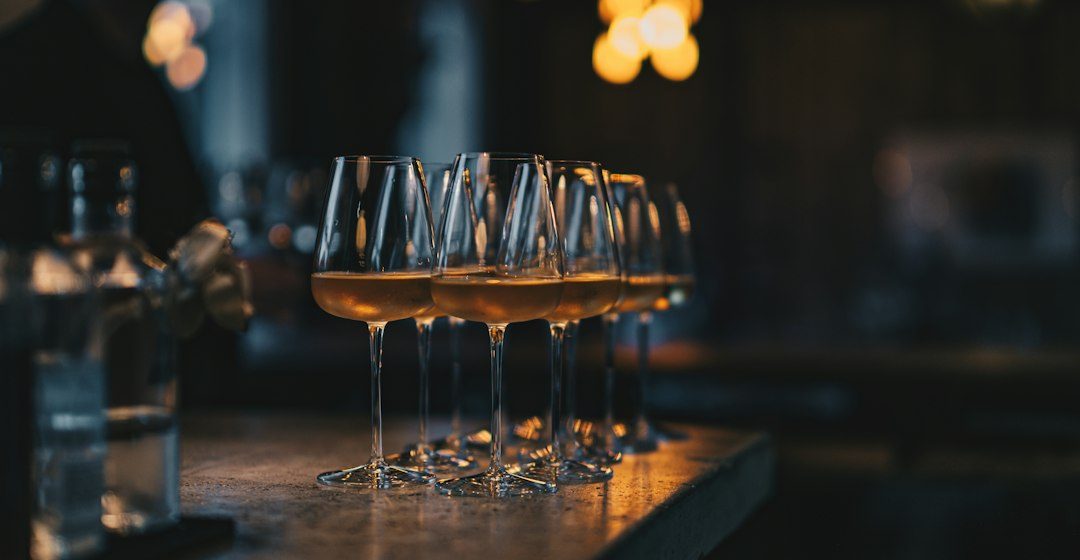
Champagne growers entered the 2026 harvest with encouraging signs for grape quality, according to an early-season update from the region’s industry body. The assessment offered a cautiously positive note for producers after a growing season that required close attention to weather, vineyard conditions and the timing of picking.
Why harvest timing matters
In Champagne, the decision to begin harvesting is not based on sugar levels alone. Growers and winemakers consider acidity, aromatic development, grape health and the balance required for wines that will later undergo secondary fermentation. Picking too early can leave fruit short of ripeness, while waiting too long may increase disease pressure or reduce the freshness that is central to the region’s style.
Different villages and vineyard exposures can develop at different speeds. That means harvest planning is a coordinated exercise involving growers, houses and local authorities. The permitted harvest dates and yield framework help organize the process, but individual parcels still require careful observation.
Quality is more than a single number
A promising quality outlook does not automatically mean every vineyard will produce the same result. Soil, vine age, exposure, rainfall and local microclimates all influence the fruit. Producers will assess individual lots and decide how they fit into blends, including the balance of Chardonnay, Pinot Noir and Meunier that shapes many Champagne cuvées.
Acidity is especially important. It supports freshness and structure, and it helps sparkling wines remain lively after fermentation and aging. The base wines may taste austere on their own, but their role is to provide precision and energy in the finished blend.
What growers and houses will monitor
As the harvest progresses, attention turns to grape condition, logistics and the movement of fruit from vineyard to press. Gentle handling and rapid processing help protect freshness. Pressing decisions also influence the style and quality of the juice, making the harvest a critical stage in the region’s long production cycle.
Climate variability has made this work more complex. Warmer periods can accelerate ripening, while sudden rainfall or heat events may change the ideal picking window. Producers increasingly rely on detailed vineyard monitoring and local knowledge to make decisions parcel by parcel.
From harvest to the finished bottle
Even after picking, the path to a finished Champagne is long. Base wines are fermented, blended, bottled for secondary fermentation and aged before release. The 2026 harvest will therefore influence wines that consumers may not encounter for years.
The early assessment is encouraging, but the final judgment will come from the wines themselves. For now, the update highlights the care behind each vintage and the importance of balancing ripeness, freshness and regional character.